History
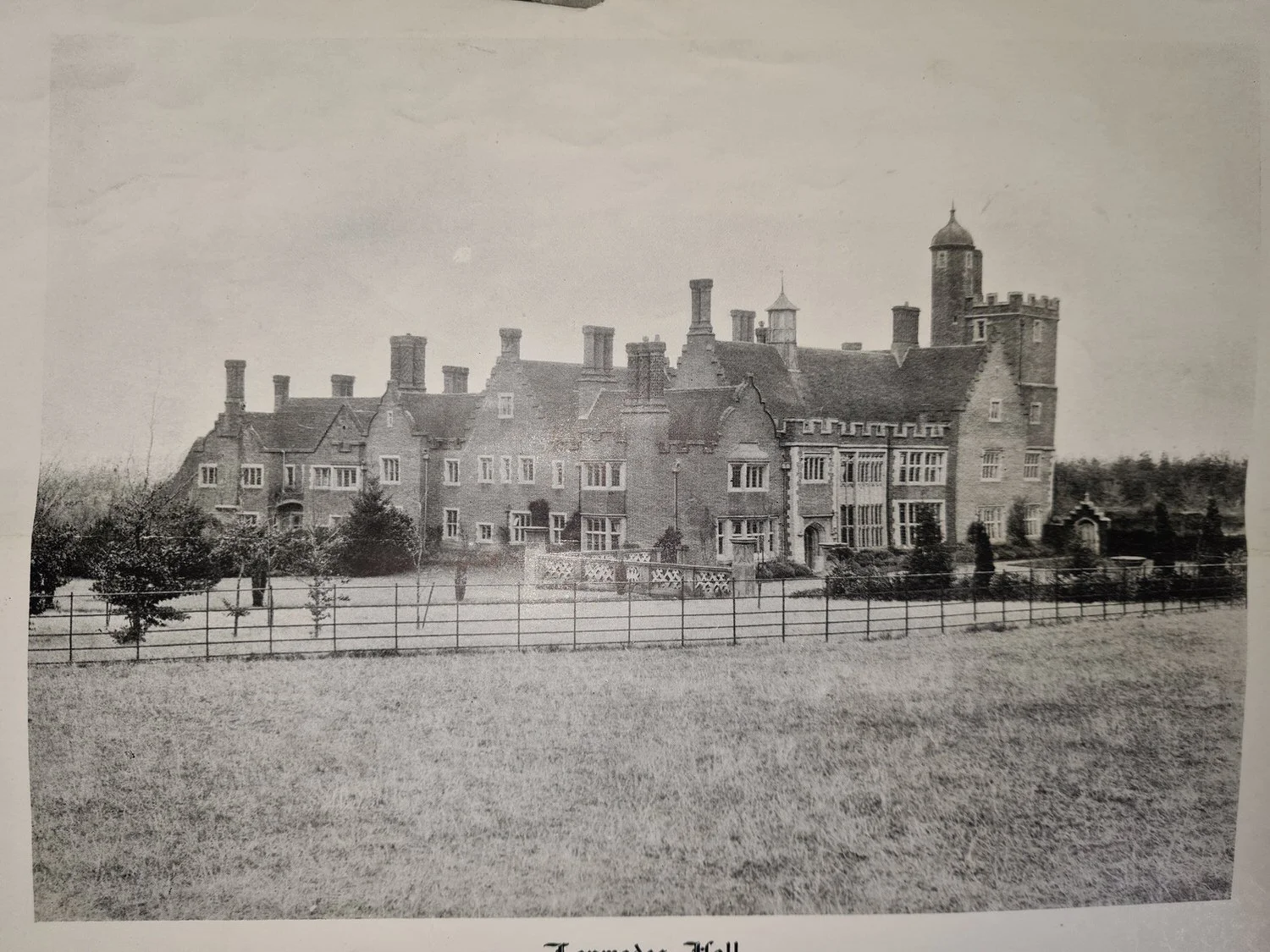
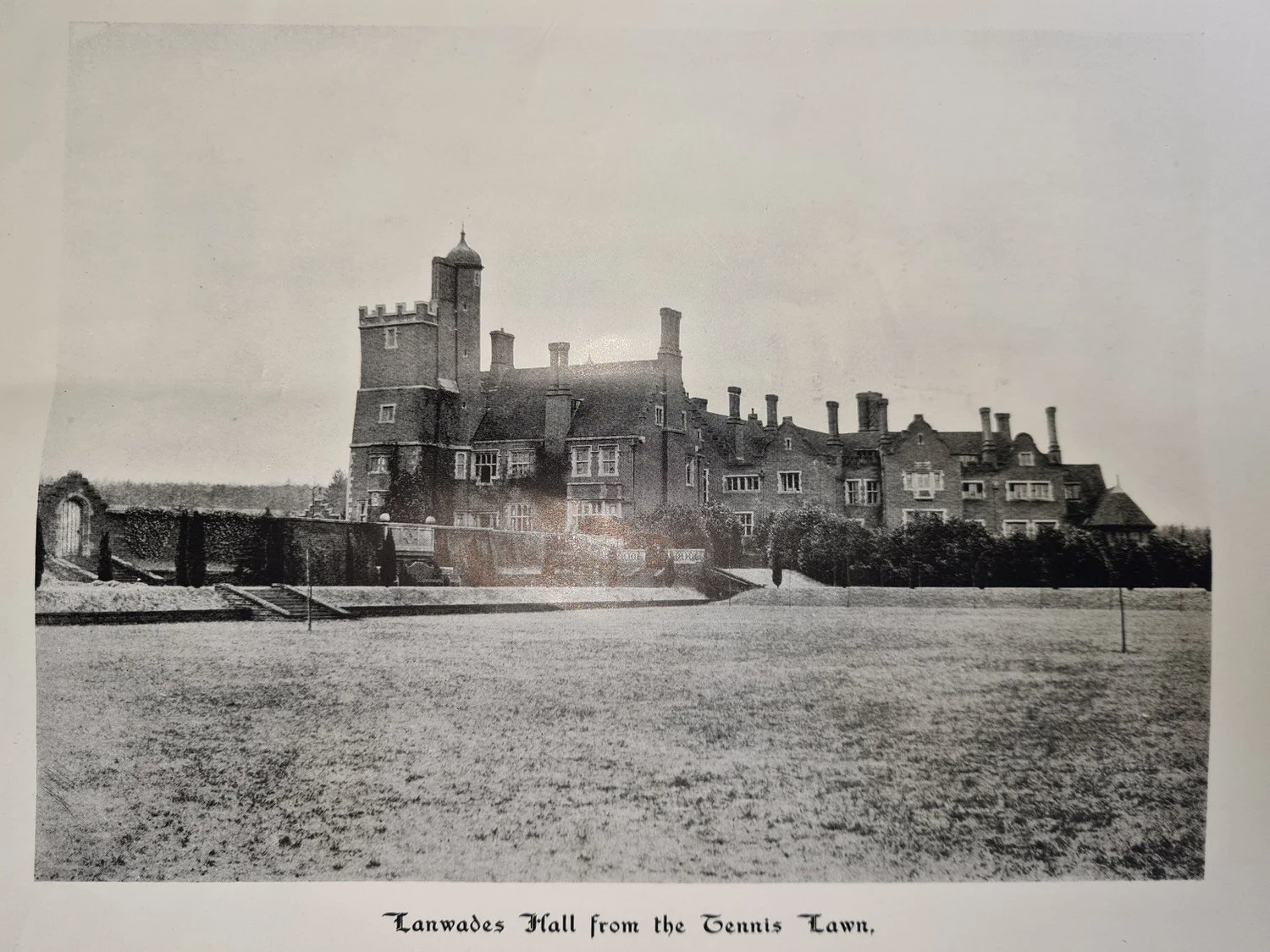
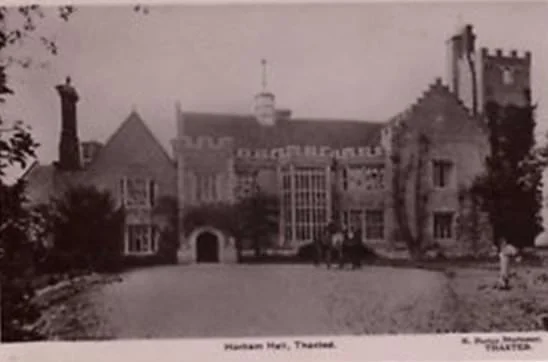
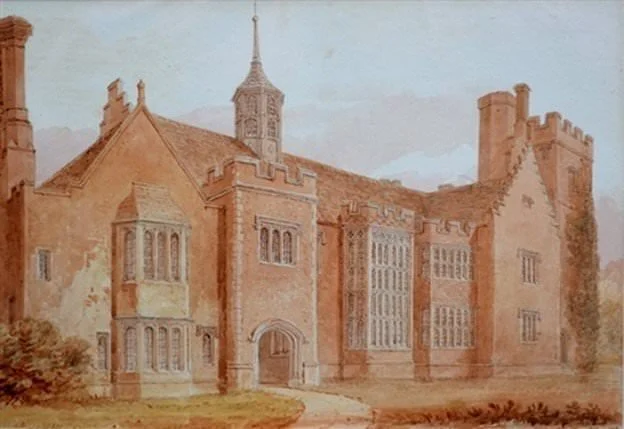
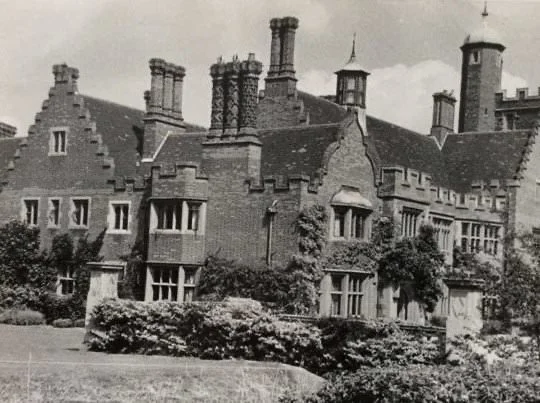
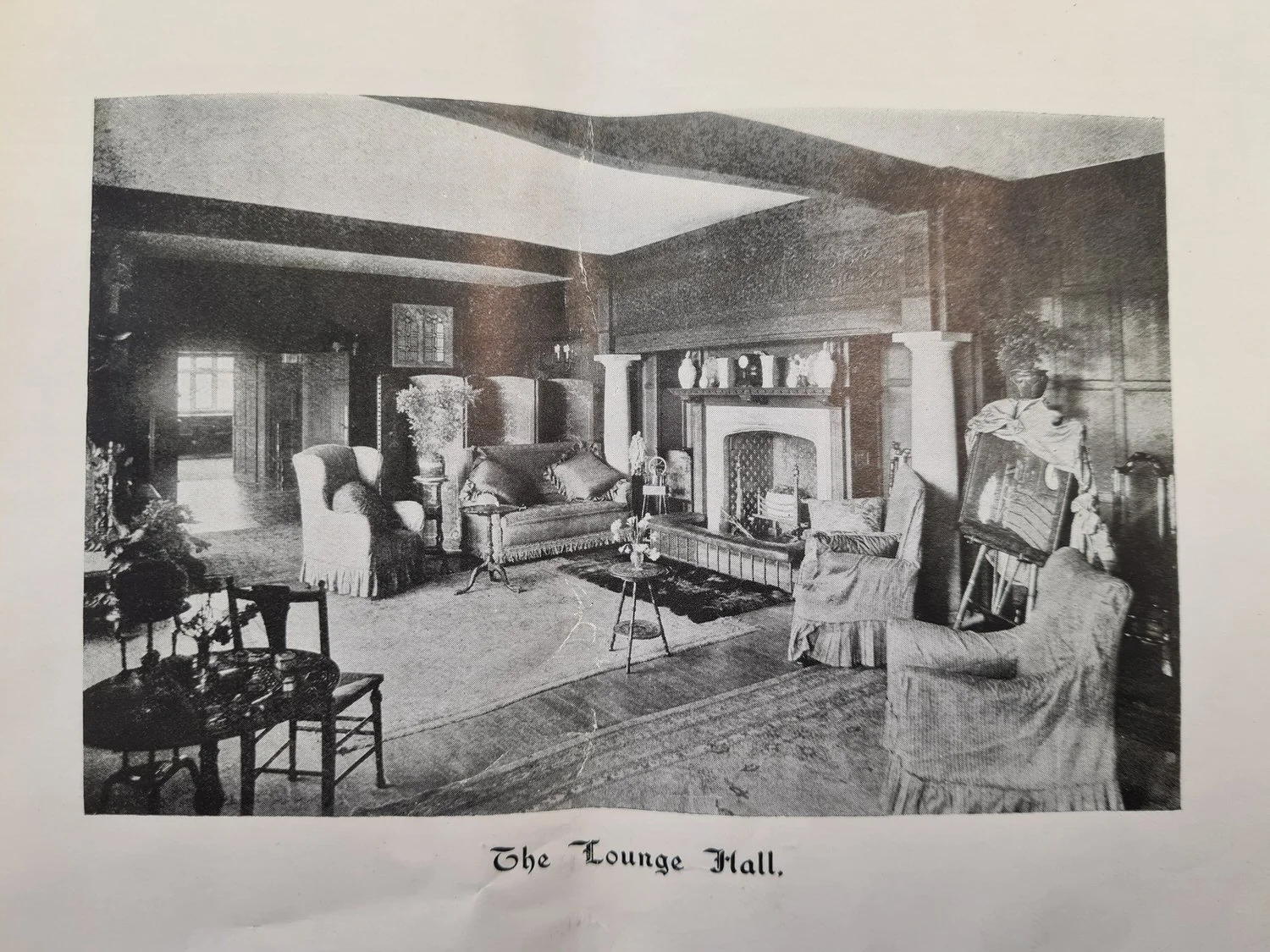
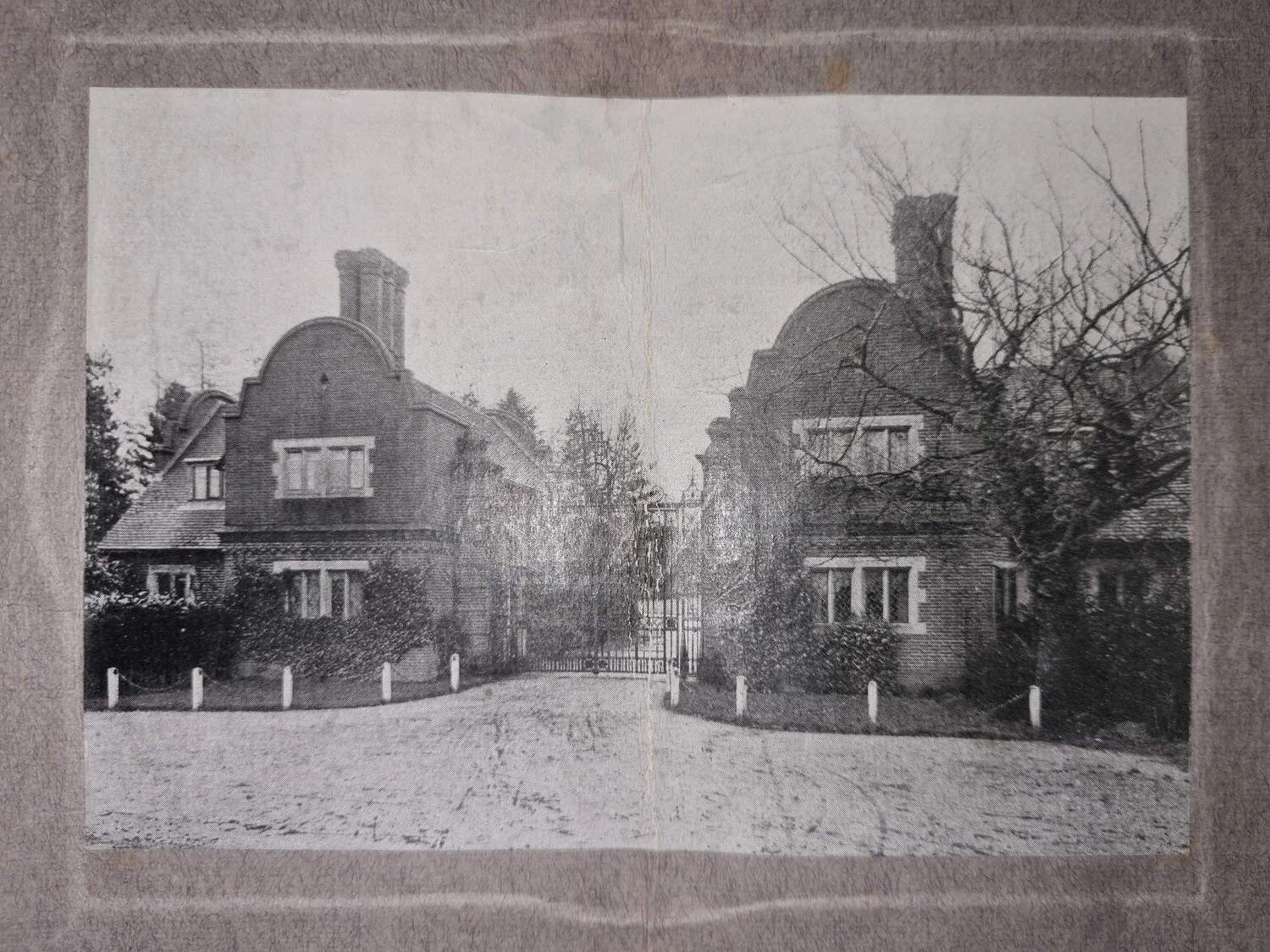
Lanwades Hall itself was commissioned by James Walker Larnach, an Australian banker. The design of his new home was inspired by Horham Hall which has an almost identical main façade.
The architect is unknown, but potentially J.C Buckler might have had a hand in the design as we know he was fond of the original Hall in Essex. He came second, behind Charles Barry, in the competition to rebuild the Palace of Westminster following its destruction by fire.
Lanwades Hall was finished in 1907. The name derives from a wading place through the river Kennett and was the name of the stud which was founded well before the 1880s.
James Larnach, as a wealthy man, dabbled with the horses, especially as he owned Lanwades Stud. In the Derby of 1898, the first to be held at Epsom after being held at Newmarket previously, he entered his horse, named Jeddah and ridden by Otto Madden. He placed a £500 bet on the horse to win. Jeddah made history and was the first horse to win with triple figure odds, 100:1. The winnings of £5,450 were used to fund the construction of Lanwades Hall and the estate.
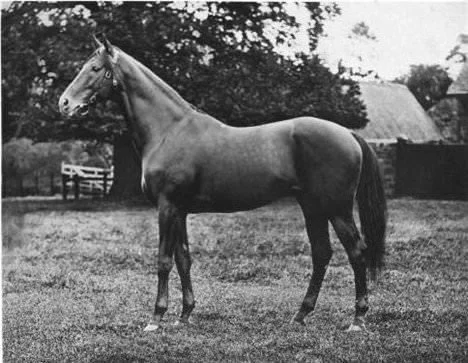
A local story tells of one of Mr Larnach’s estate workers also placing a £1 bet to win on Jeddah. Considering that £1 was more than a month’s wages, his winnings must have been life changing.
Jeddah was buried in his favourite spot on his death in 1909: unfortunately now no longer part of the gardens at Lanwades Hall. A photo of Jeddah is proudly mounted in the entrance hall above the front door.
King Edward VII used to stay as a guest of James Larnach at Lanwades Hall when he attended the nearby Newmarket races. Furthermore, it is rumored that the late Queen visited in the summers as a young girl and was friends with another girl from the village.
James Larnach was only able to enjoy his new house for a few years as he died in 1915 and his daughter Isabel Larnach swiftly put the entire estate, house and contents up for auction. Isabel married the 4th Marquess of Abergavenny.
It was the Countess of Wilton who is believed to have purchased the Hall from the auction.
There is anecdotal evidence that Lanwades was at one time owned by Caroline, Duchess of Montrose, a passionate racing enthusiast, who also had St Agnes’ Church in Newmarket constructed.
Subsequently, in the early 1920s the estate was sold to Mr Herbert Sidebottom, who also had a passion for horses. As both he and his son Hughie were keen polo players, he had a pitch built where teams from all over England would come and play.
In 1931, Mr Sidebottom built Lanwades House, halfway between Moulton and Kentford.
In the early part of 1939, the estate divided with the stud being purchased by Lt-Col N.E. “Nat” Frieze, whose misfortune it was to see the entire place requisitioned by the army later that same year. Throughout the war years, Lanwades was used as a training and transit camp for officers and troops. A R.E.M.E. workshop was also set up near the racing stables. Italian prisoners of war were billeted there too.
On its return to Col. Frieze in 1946 the land (which had been ploughed up for agricultural use during the war) was re-seeded, and returned to stud land.
Meanwhile, Lanwades Park, along with the main house had been sold by Herbert Sidebottom to an unnamed buyer who before he could move in lost his money on the Stock Exchange.
Lanwades Park was then bought by Major Durham Matthews, who later became a Jockey Club Steward.
In September 1945, Major Matthews sold the complete contents of the house and outdoor effects. In 1947 Major Matthews in memory of his son who was killed in an accident gave the house and estate, which comprised of about 140 acres, to the Animal Health Trust.
Keeping with the royal connections, more recently, Princess Anne visited annually to visit the Animal Health Trust, of which she was a patron.
The Hall housed the Trust up until 2016 when it was bought by the current owners, Alex and Elvis. It is now a full-time wedding and events venue alongside their family home!
We are proud to be able to share the warmth of Lanwades Hall with lots more guests going far into the future.